This is a great question, and one I’ve really enjoyed getting to understand in more detail since becoming a chimney sweep.
Put simply, a chimney cowl is an accessory that sits on top of your chimney pot, right at the point where the flue terminates. While they can look decorative, cowls serve a very practical purpose.
They help:
- Protect the flue from rain ingress
- Prevent birds and vermin from nesting
- Improve draft and performance
- Support the safe evacuation of combustion gases
And that last point is the most important.
Why the type of cowl matters
Not all cowls are created equal, and choosing the wrong one can affect how safely your appliance operates.
The key difference comes down to the type of fuel being used and how the combustion gases behave.
Gas appliances
Gas fires produce cooler, lighter combustion gases compared to solid fuel appliances. Because of this, the flue system relies on a consistent, unobstructed pathway to allow gases to rise and disperse safely.
Cowls designed for gas appliances typically have:
- Smaller openings or mesh
- A design that prevents downdraught
- Protection from wind interference
Guidance from Gas Safe Register is clear that any terminal (including cowls) must not restrict the safe discharge of combustion products. In some cases, particularly with modern gas appliances, a specific terminal is required rather than a generic cowl.
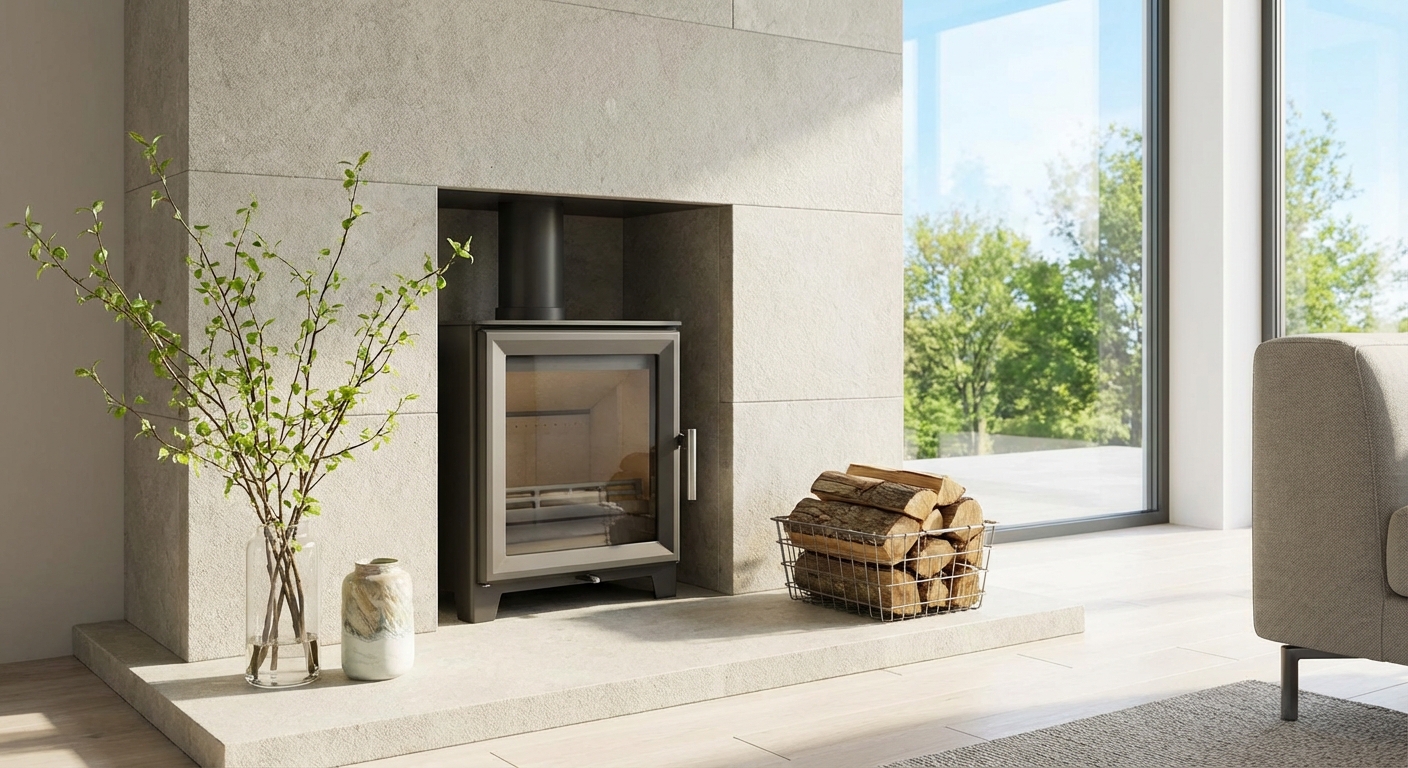
Solid fuel (stoves and open fires)
Solid fuel appliances, such as wood-burning stoves, produce hotter gases, along with soot and tar particles.
Cowls for these systems need to:
- Allow a strong upward draw
- Avoid clogging from soot build-up
- Withstand higher temperatures
According to HETAS, it’s essential that any cowl fitted to a solid fuel system does not reduce the effective flue area or create a point where deposits can accumulate excessively.
Common types include:
- Metallic rain and vermin guard cowls – with wider spacing than gas versions
- Anti-downdraught cowls
- Rotating or spinning cowls (designed to improve draft in exposed locations)
The risks of getting it wrong
Fitting the wrong type of cowl, or fitting one where it’s not suitable, can cause more harm than good.
Potential issues include:
- Poor draft or smoke spillage into the room
- Increased soot and creosote build-up
- Blockages forming at the terminal
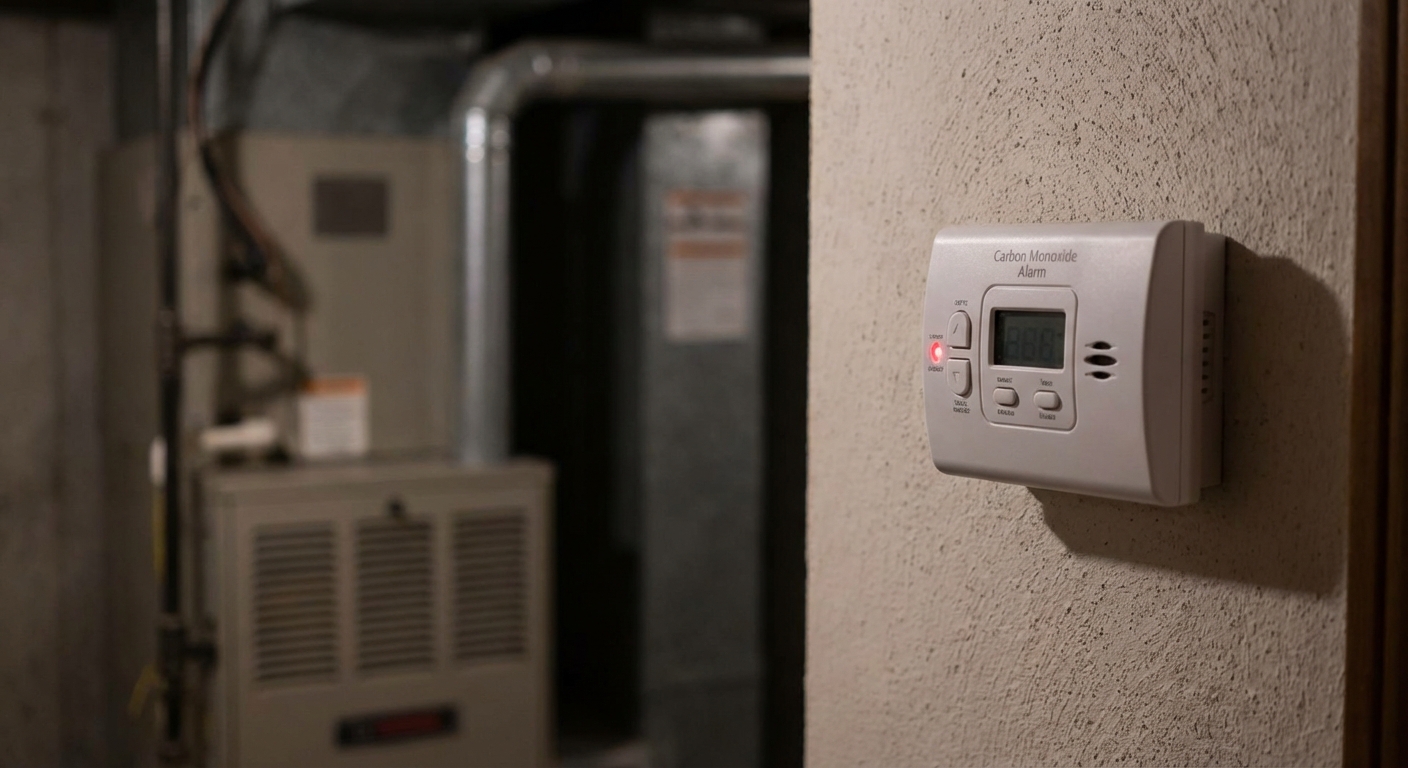
- Carbon monoxide failing to evacuate properly
This is why cowl selection should always consider the appliance, the flue design, and the location of the property (particularly if it’s exposed to wind).
Practical first, decorative second
There’s no denying that some cowls can add character to a property, from traditional terracotta designs to more decorative metal finishes.
And that’s absolutely fine, as long as function comes first.
A decorative cowl still needs to:
- Be appropriate for the fuel type
- Maintain safe airflow
- Comply with guidance from HETAS or Gas Safe Register
In other words, it should never compromise safety for appearance.
When to consider a cowl
Not every chimney needs a cowl, but they can be particularly useful if you’re experiencing:
- Rain entering the flue
- Bird activity or nesting
- Downdraught or wind-related issues
- Debris falling into the chimney
As part of a sweep or inspection, it’s something I’ll always consider and talk through with you if needed.
A note from Wendy the Sweep
Cowls are one of those things that sit quietly at the top of the chimney doing their job — until they’re not.
The right one can make a real difference. The wrong one can cause problems you don’t always see straight away.
If you’re unsure what’s currently fitted, or whether it’s right for your fire or stove, I’m always happy to take a look and explain your options.
From the firesides of Pendle and surrounding areas, I’m here to help keep your hearth burning bright and clean all year round.
With heart and heritage,
Wendy the Sweep