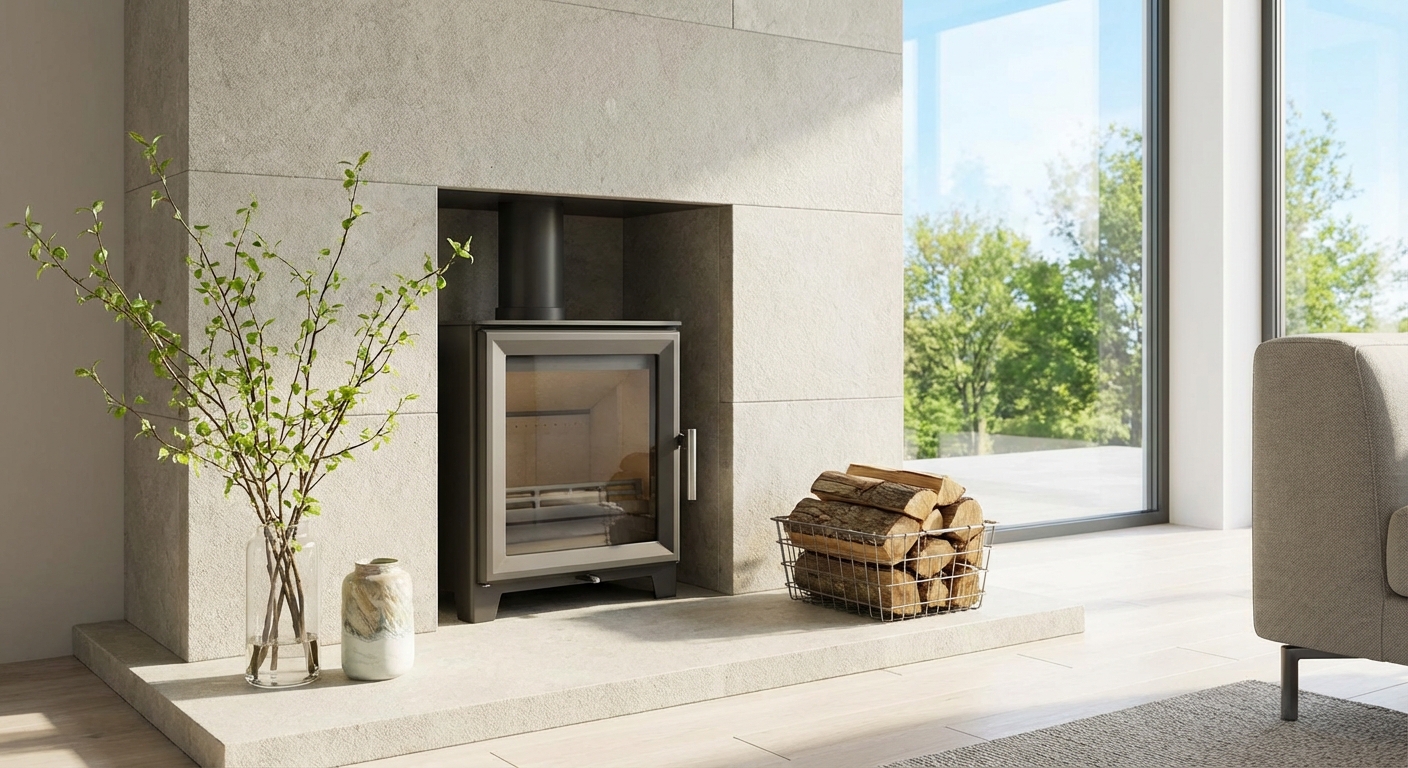
Your chimney flue plays a critical role in safely venting combustion gases from your home. It’s easy to forget about because it’s largely out of sight — but it’s working hard every time your fire or stove is in use. Over time, exposure to heat, moisture, and corrosive byproducts will take its toll.
Recognising the early warning signs of flue deterioration can help prevent serious risks such as chimney fires, carbon monoxide leaks, and costly structural damage. This guide will help you understand what to look out for and when it’s time to call in a professional
Debris and fragments in the fireplace
When emptying the ash pan or clearing debris from the throat plate, be observant. Small pieces of tile, mortar, or flaky soot deposits can indicate deterioration inside the flue.
Spalling bricks or crumbling masonry are often early warning signs. According to guidance aligned with RICS, this type of breakdown is typically caused by moisture ingress combined with repeated heating and cooling cycles. Left unchecked, it can lead to gaps in the flue lining, allowing heat and gases to escape into surrounding structures.
Rust and corrosion on your stove or fireplace
If you notice rust, pitting, or corrosion on your stove, this is often a sign of excessive moisture within the flue system. Moisture can enter through damaged chimney pots, failed flashing, or condensation forming in an unlined or poorly insulated flue.
Guidance from HETAS highlights that prolonged exposure to moisture and acidic flue gases accelerates deterioration of both liners and appliances. It’s not just cosmetic, it’s a sign the system isn’t functioning as it should.
Poor draw or smoke spillage
If your fire is struggling to stay lit, or smoke is entering the room instead of rising up the chimney, this could indicate a problem with the flue.
Common causes include:
- Blockages (such as bird nests or soot build-up)
- Internal collapse or narrowing of the flue
- Poorly sized or damaged liners
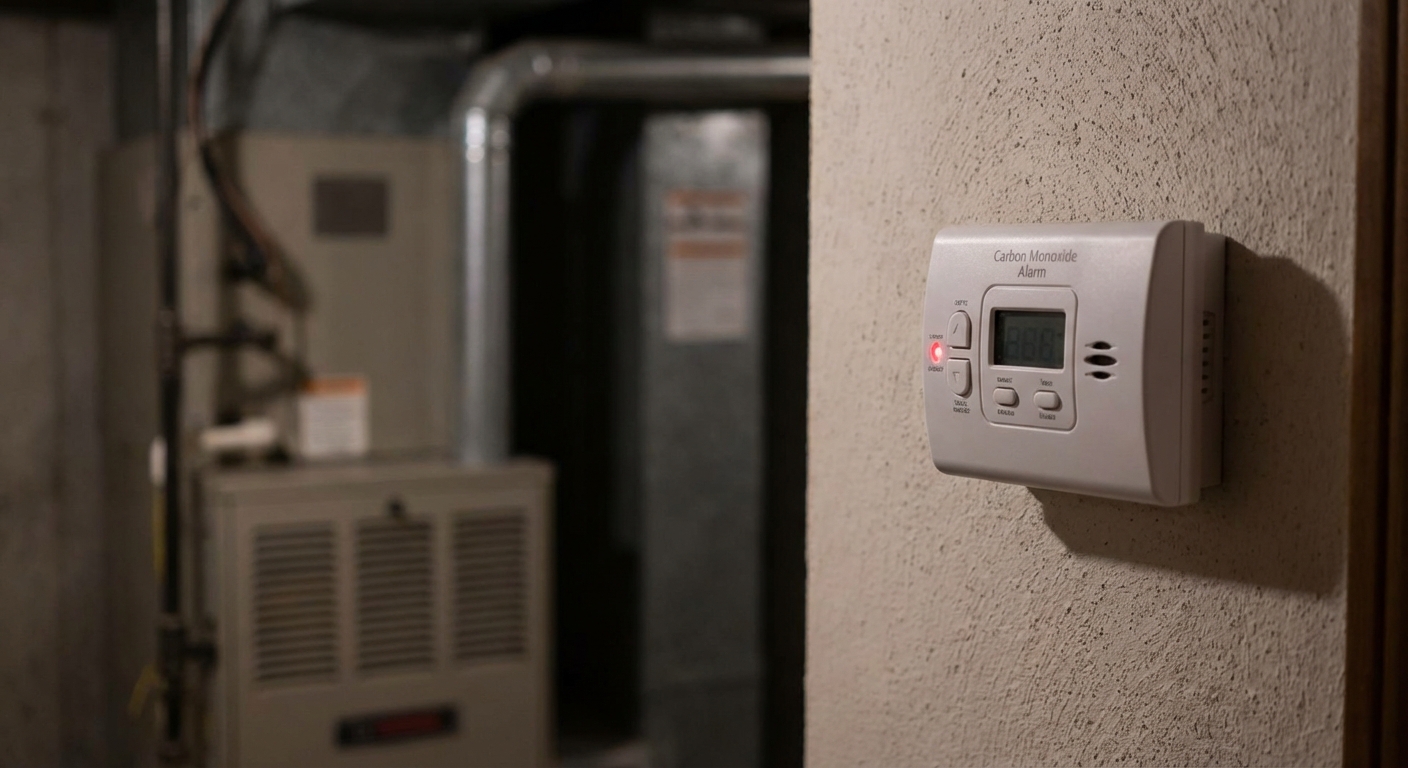
A poorly functioning flue doesn’t just affect performance; it increases the risk of carbon monoxide entering your living space.
Unusual odours
A strong, tar-like or damp smell coming from your fireplace, especially when it’s not in use, can be a sign of creosote build-up or moisture issues within the flue.
Creosote is highly flammable and is a leading cause of chimney fires. HETAS guidance emphasises the importance of regular sweeping and inspection to prevent dangerous accumulation (please take a look at my article on creosote for more information on this).
Staining on chimney breast or external stack
Keep an eye on the chimney breast inside your home and the stack externally.
- Brown or yellow staining internally can indicate tar or moisture seeping through
- White staining (efflorescence) externally suggests water is penetrating the masonry and drawing salts to the surface
Both are signs that the flue system may no longer be watertight and requires further investigation.
Cracks in the chimney or flue liner
Visible cracks in the chimney structure or liner are a clear indication that action is needed.
Even small cracks can allow heat and gases to escape into adjacent materials, significantly increasing fire risk. In older properties, unlined chimneys are particularly vulnerable, and modern standards (as referenced by HETAS) would typically recommend the installation of a suitable liner.
When to take action
If you notice any of the signs above, it’s important not to ignore them.
At a minimum:
- Have your chimney swept regularly (frequency depends on fuel type and usage)
- Arrange for a professional inspection if anything unusual is identified
- Consider a CCTV flue inspection for a more detailed internal assessment
Early intervention is always more cost-effective than dealing with major repairs, and far safer.
A final thought from Wendy the Sweep
Your chimney might be out of sight, but it should never be out of mind. A well-maintained flue keeps your home safe, your appliance working efficiently, and your mind at ease.
If in doubt, get it checked, it’s a small step that makes a big difference.
As someone who’s spent years in fire safety before stepping into life as a chimney sweep, I tend to look at chimneys a little differently. It’s not just about keeping things clean; it’s about keeping people safe in their homes.
Most flue issues start small. A bit of moisture here, a small crack there. Easy to miss if you don’t know what you’re looking for, but also usually straightforward to put right when caught early.
If you’ve noticed anything that doesn’t quite seem right, or you’d simply like the reassurance that everything is working as it should, I’m always happy to take a look and talk it through with you.
From the firesides of Pendle and surrounding areas, I’m here to help keep your hearth burning bright and clean all year round.
With heart and heritage,
Wendy the Sweep