Introduction
Jackdaws are intelligent corvids with a remarkable affinity for chimneys and flues, often causing frustration for homeowners during nesting season. Understanding why these birds are attracted to your chimney and implementing humane deterrent methods can save both you and the birds from unnecessary stress. This guide explores the biology behind their behaviour and provides effective, compassionate solutions to protect your home.
Why Jackdaws Are Irresistibly Drawn to Chimneys and Flues
Jackdaws possess an instinctive drive to seek out cavity nesting sites, a behaviour hardwired into their evolutionary biology. In their natural habitat, these birds traditionally nested in cliff faces, tree hollows, and rocky crevices. However, as urbanization has transformed the landscape, jackdaws have brilliantly adapted by identifying chimneys as perfect artificial substitutes for their ancestral nesting sites.
The structural characteristics of a chimney flue closely mirror the jackdaw’s ideal nesting environment. The tall, enclosed shaft provides excellent protection from predators such as birds of prey, while the darkness and shelter offer security for eggs and chicks. The height of chimneys also appeals to their preference for elevated positions, which historically provided safety from ground-based threats.
Nesting season typically runs from April through June, during which jackdaw pairs become remarkably determined in their construction efforts. They will drop sticks down the chimney repeatedly, sometimes accumulating massive quantities of nesting material. Some homeowners have reported removing wheelbarrow-loads of sticks from blocked flues. This persistent behaviour stems from their strong pair bonding and parental instincts—jackdaws mate for life and invest considerable energy in creating secure nesting sites.
The problems this creates for homeowners are significant:
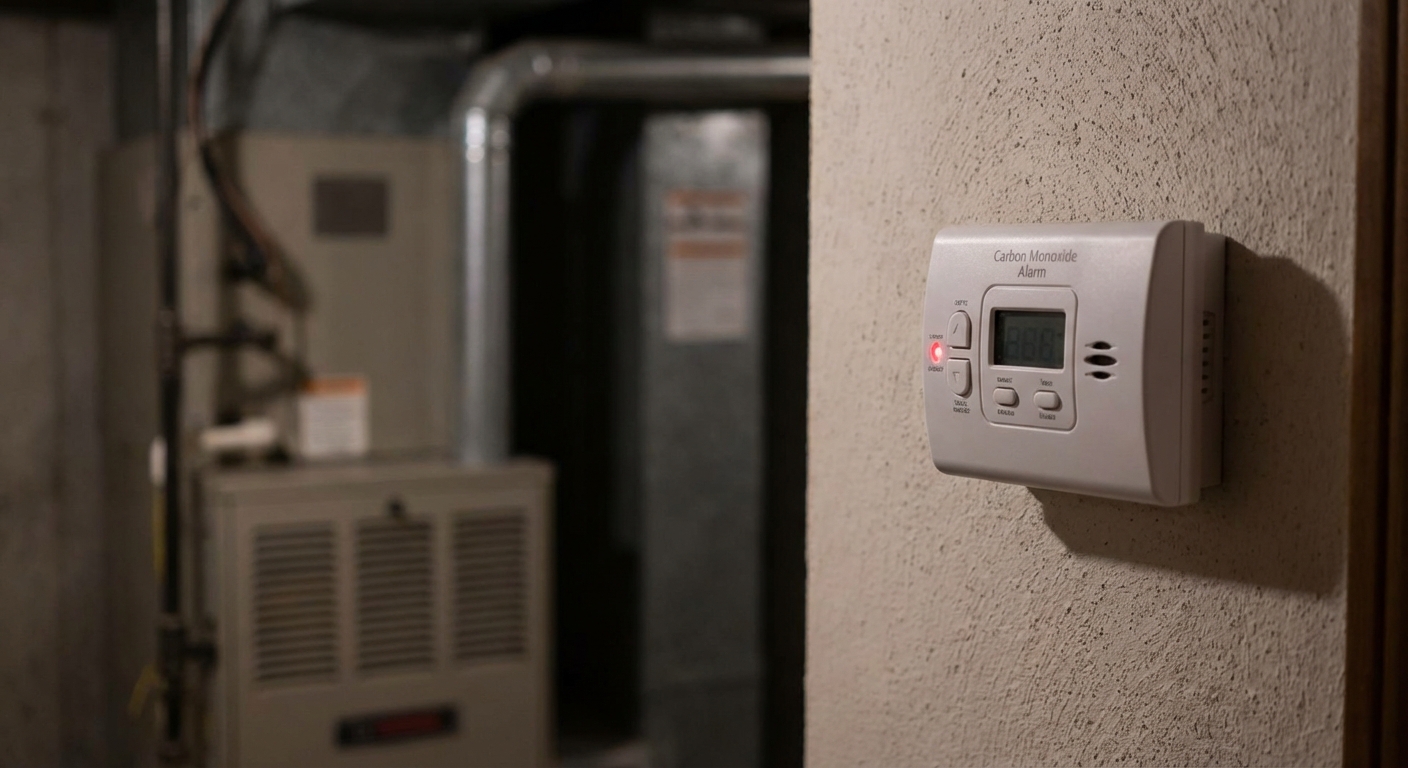
- Blocked flues preventing proper ventilation and creating dangerous carbon monoxide risks
- Fire hazards from accumulated dry nesting material
- Noise disturbance from adult birds and chicks
- Debris falling into fireplaces or heating systems
- Parasites such as bird mites entering the home
Humane and Effective Methods to Prevent Jackdaw Nesting
The most crucial principle when addressing jackdaw nesting is timing. In the UK and many other countries, jackdaws are protected by wildlife legislation, making it illegal to disturb active nests containing eggs or chicks. Therefore, all prevention measures must be implemented outside of nesting season, ideally between August and March.
Chimney cowls and guards represent the most reliable long-term solution. A properly fitted bird guard features a metal cage or wire mesh structure that sits atop your chimney pot, creating a physical barrier while still allowing smoke and gases to escape freely. When selecting a cowl, ensure it has mesh spacing no larger than 20mm to effectively exclude jackdaws while preventing other birds from becoming trapped. Professional installation is recommended to ensure the guard is securely fitted and won’t be dislodged by determined birds or adverse weather conditions.
For functional chimneys that you use regularly, consult a qualified chimney sweep to recommend guards compatible with your heating system. Modern designs accommodate various fuel types including wood, coal, and gas, ensuring both bird exclusion and optimal flue performance.
Chimney caps for unused flues offer an alternative solution. If you have a fireplace that’s no longer in use, installing a cap that completely seals the chimney from inside the room eliminates the void that attracts nesting birds. This approach also improves home insulation by preventing heat loss through the unused chimney. Ensure proper ventilation is maintained elsewhere in the property to prevent dampness issues.
If you discover jackdaws have already begun nest construction but haven’t yet laid eggs, you have a narrow window to act. Carefully remove the accumulated sticks and immediately install protection. However, once eggs are present, you must legally wait until the chicks have fledged, typically by late June or July, before removing the nest and installing guards.
Additional deterrent strategies include:
- Regular inspection: Check chimneys monthly during early spring to catch construction attempts before they progress
- Temporary coverings: Use securely fastened wire mesh as a temporary measure if permanent guards cannot be immediately installed
- Remove attractants: Keep chimney pots clean and remove any existing debris that might encourage nesting
- Professional sweeping: Annual chimney cleaning helps identify vulnerabilities and maintains proper function
Avoid inhumane methods such as disturbing active nests, using harmful chemicals, or deploying devices that could injure birds. Beyond the ethical concerns, these approaches violate wildlife protection laws and can result in substantial fines. Remember that jackdaws are beneficial birds that control insect populations and contribute to ecosystem health—they simply need redirecting rather than harming.
Conclusion
Jackdaws choose chimneys because these structures perfectly replicate their natural cliff-cavity nesting sites, offering security and elevation. While their presence creates legitimate concerns regarding safety and property damage, humane solutions are both effective and legally required. By installing appropriate chimney guards outside nesting season and maintaining vigilance, you can protect your home while respecting these intelligent, protected birds and ensuring they seek alternative nesting sites.