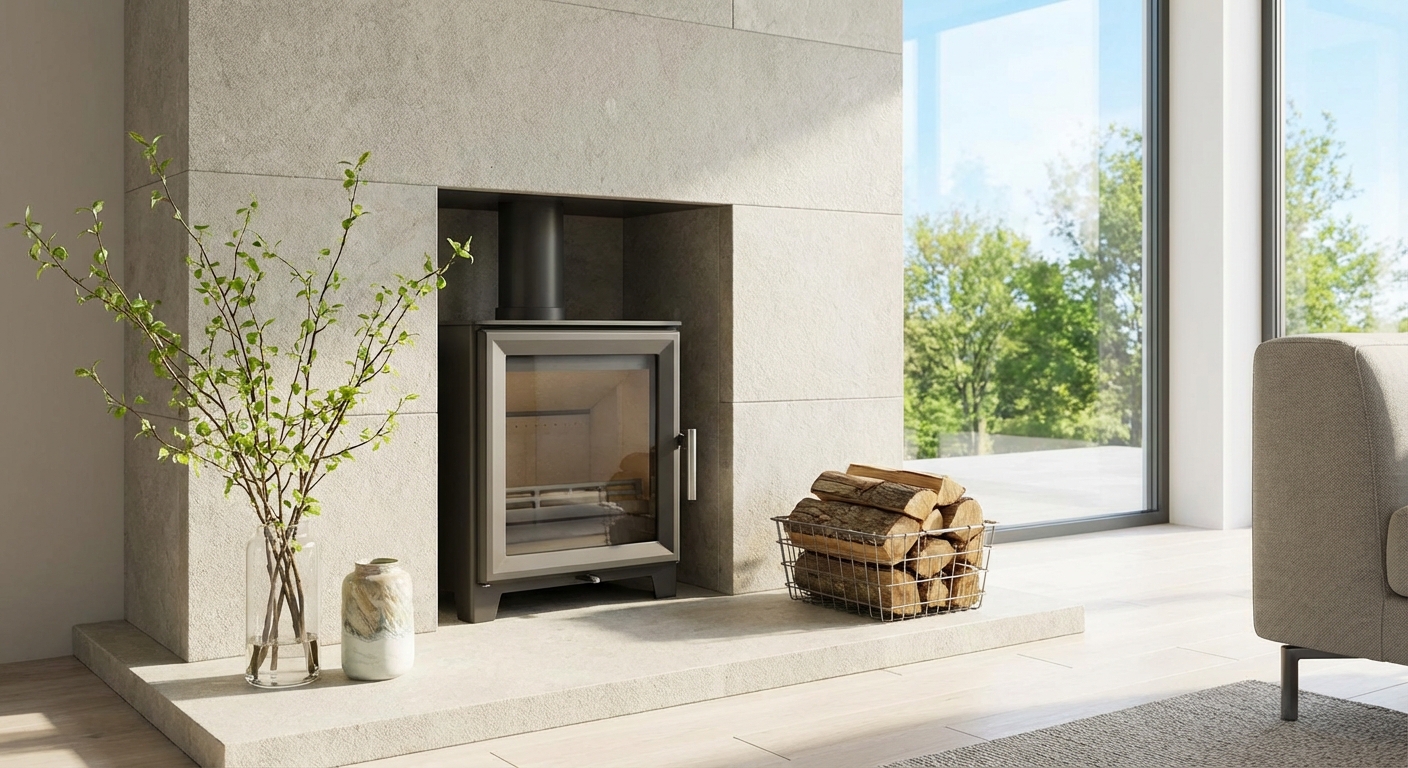
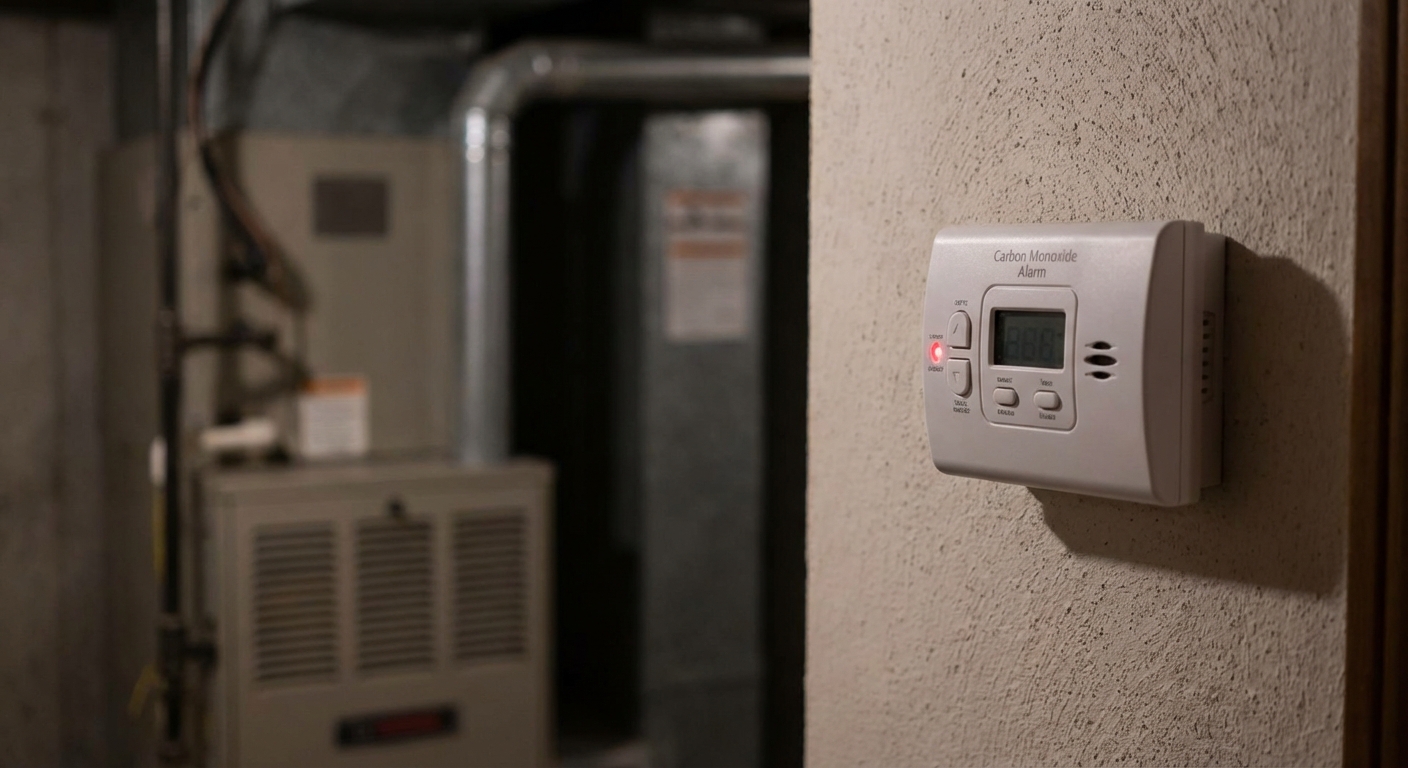
Choosing the right fuel makes a real difference, not only from an environmental perspective, but in how efficiently your fire or stove performs.
It affects how well you heat your home, how often you need your chimney swept, and ultimately, how much it costs you to run.
Put simply: what you burn, and how you burn it, matters.
Why fuel quality is so important
Dry, good-quality fuel burns hotter and cleaner. That means:
- Better heat output
- Less visible smoke
- Far less soot and tar building up in your chimney
Guidance from HETAS consistently highlights that poor fuel quality is one of the main causes of chimney deposits and inefficient burning.
Over time, burning the wrong fuel doesn’t just affect performance, it increases the risk of chimney fires and damage to your flue.
Burning wood: moisture matters
If you’re burning wood, moisture content is key.
Wood should be properly seasoned to below 20% moisture before it’s burned. Anything above this level is considered “wet” wood.
Wet wood:
- Burns at a lower temperature
- Produces more smoke
- Releases higher levels of unburnt gases
These gases cool and condense inside the flue, forming deposits, which leads us to one of the most important things to understand as a stove owner.
What is creosote?
Creosote is a dark, tar-like substance that forms inside your flue when wood burns inefficiently — particularly when it’s damp or the fire isn’t hot enough.
It can appear as:
- Sticky, tarry deposits
- Flaky soot
- Hard, glazed coatings in more severe cases
Creosote is highly flammable and is one of the leading causes of chimney fires.
Burning dry wood, maintaining a good hot burn, and having your chimney swept regularly are the best ways to minimise its build-up.
Smokeless Fuels and Approved Products
If you’re using solid fuel, it’s important to choose products that are designed for clean, efficient burning.
Look for fuels labelled “Ready to Burn”, a scheme supported by the Department for Environment Food & Rural Affairs. These fuels meet standards for low moisture and reduced emissions.
Approved smokeless fuels:
- Burn more consistently
- Produce less smoke
- Create less residue in the flue
They’re particularly important if you live in a smoke control area, but they’re good practice wherever you are.
Clearing up the confusion
There’s been a lot in the news in recent years about wood burning and environmental impact, which has understandably caused some confusion.
The key point is this:
The guidance isn’t about stopping people from using stoves, it’s about burning better.
Using dry wood or approved fuels, combined with a well-maintained appliance and flue, significantly reduces emissions and improves efficiency.
In other words, burning responsibly isn’t new — it’s just good practice.
A Chimney Sweep’s perspective
As a chimney sweep, I can usually tell what’s been burned just by what I find in the flue.
- Light, powdery soot tends to come from good-quality fuel
- Thick, sticky deposits are often the result of damp wood or poor burning practices
Good fuel doesn’t just give you a nicer fire, it keeps your chimney cleaner and your home safer.
A note from Wendy the Sweep
A home fire should feel warm, comforting, and easy to manage.
And most of the time, it is. It just starts with using the right fuel.
If you’re ever unsure about what you’re burning, or you’d like your chimney checked and swept, I’m always happy to help and talk it through with you.
From the firesides of Pendle and surrounding areas, I’m here to help keep your hearth burning bright and clean all year round.
With heart and heritage,
Wendy the Sweep